In addition to launching a full range of fully electric trucks and developing hydrogen technology, DAF is preparing its internal combustion engines to run on new fuels to further reduce CO₂ emissions. HVO – hydrotreated vegetable oil – is a biofuel of the latest generation, which allows to reduce CO emissions2by 90% and is ideal for use in all new generation DAF trucks.
Hydrorefined vegetable oil is made from waste and fats of the food industry. It is currently the most environmentally friendly fuel on the market for diesel trucks, providing a 90% reduction in CO₂ emissions (full fuel production cycle) compared to conventional diesel fuel. Unlike biofuels of previous generations, hydrotreated vegetable oil does not affect food production.
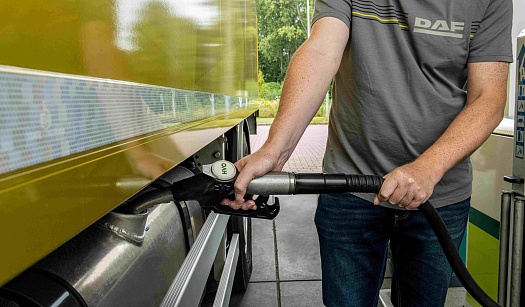
In addition to the environmental benefits, another important advantage is that DAF trucks can use hydrotreated vegetable oil without any modifications, maintaining exceptional performance and service intervals of up to 200,000 km for long-distance haulage.
Suitable for the entire range of DAF products
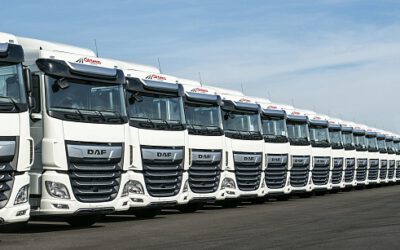
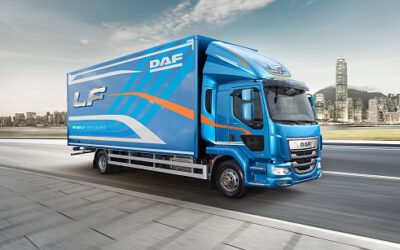
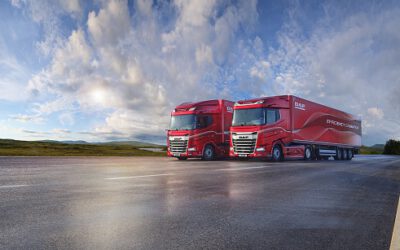
All DAF trucks of the latest generation are ready to run on 100% hydrotreated vegetable oil, including the popular LF series for distribution transportation, the versatile XD (“International Truck of the Year 2023”) for distribution and special transportation, as well as the “top” XF, XG and XG+ (“International Truck of the Year 2022”) for heavy and long-distance transportation.
According to Patrick Dean, DAF Trucks Chief Engineer and Board Member, “DAF is leading the way in our society’s drive to reduce CO2 emissions. In 2018, we were the first to launch an all-electric truck, and last year we introduced a completely new generation of electric trucks with a range of up to 500 kilometers and zero emissions. We are also preparing for new generations of fuel. The use of hydrotreated vegetable oil allows us to take a giant step in reducing CO₂ emissions today with the current trucks on the market, and more importantly, “off the shelf” trucks. Regarding the CO₂ certification of trucks, it would be a huge step forward if European legislation assessed the contribution of clean fuels to reducing CO₂ emissions, as we cannot afford to ignore the opportunities for sustainable road transport. Here, the focus should be on the entire energy chain – from the energy source to the exhaust gases – and not just “from the tank to the wheel”.